
Rubber Tyred Gantry (RTG)

Pórtico sobre Pneus (RTG)

Um pórtico sobre pneus (RTG) é um tipo de guindaste móvel utilizado frequentemente em terminais de contentores para empilhar e movimentar contentores de transporte marítimo. Os RTGs são concebidos com pneus de borracha que proporcionam flexibilidade e manobrabilidade em diferentes superfícies.

Características Principais dos RTGs

Os RTGs possuem várias características-chave que os tornam uma escolha eficiente para operações de manuseamento de contentores. Estas incluem:

  • Pneus de Borracha: Os pneus de borracha nos RTGs permitem flexibilidade e manobrabilidade, tornando-os adequados para uso em diferentes tipos de superfícies, como betão, asfalto e cascalho.
  • Altura de Empilhamento: Os RTGs podem empilhar contentores até uma altura de 1 sobre 1, o que significa que podem empilhar contentores uns sobre os outros até um sobre um.
  • Giro: Os RTGs são capazes de girar, o que significa que podem rodar ou virar horizontalmente. Esta característica permite-lhes alcançar contentores localizados em diferentes posições.
  • Vão: Os RTGs têm a capacidade de abranger várias filas de contentores, o que lhes permite manusear vários contentores de uma só vez.
  • Eletrificação: Alguns RTGs estão equipados com sistemas de energia elétrica, que reduzem as emissões e os tornam mais amigos do ambiente.

Vantagens dos RTGs

Os RTGs oferecem várias vantagens em relação a outros tipos de guindastes para operações de manuseamento de contentores. Estas vantagens incluem:

Vantagem Explicação
Flexibilidade Os RTGs podem manobrar facilmente em diferentes superfícies, permitindo uma maior flexibilidade nas operações de manuseamento de contentores.
Eficiência Os RTGs são concebidos para empilhar e movimentar contentores de forma rápida e eficiente, reduzindo o tempo de manuseamento e aumentando a produtividade.
Escalabilidade Os RTGs podem ser facilmente dimensionados para cima ou para baixo, dependendo do tamanho e volume das operações de contentores.
Amigo do Ambiente Os RTGs equipados com sistemas de energia elétrica produzem menos emissões em comparação com outros tipos de guindastes.

Conclusão

Os pórticos sobre pneus (RTGs) são uma escolha popular para operações de manuseamento de contentores em terminais de contentores. Com os seus pneus de borracha, os RTGs oferecem flexibilidade e manobrabilidade em diferentes superfícies, tornando-os eficientes e versáteis. As suas características principais, como altura de empilhamento, giro, vão e eletrificação, tornam-nos uma opção fiável para empilhar e movimentar contentores de transporte marítimo. Além disso, os RTGs proporcionam várias vantagens em relação a outros tipos de guindastes, incluindo maior flexibilidade, eficiência, escalabilidade e amizade ambiental.

Pórtico sobre Pneus (RTG)
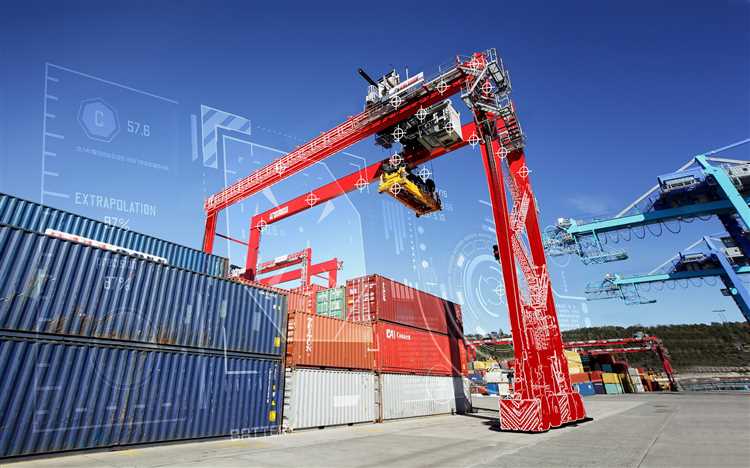
 

rubber tyred gantry (rtg)

Um pórtico sobre pneus (RTG) é um guindaste industrial utilizado em estaleiros navais e instalações intermodais para manuseamento de contentores. Possui rodas com pneus de borracha e desloca-se em superfícies pavimentadas, tornando-o altamente produtivo em várias operações logísticas e extenso nas suas aplicações para satisfazer a procura dos clientes.

A função principal de um RTG é levantar e movimentar contentores de transporte marítimo de forma eficiente. O seu design com rodas permite uma mobilidade fácil, e o sistema de içamento e pórtico permite o empilhamento preciso de contentores em terminais ou pátios com opções disponíveis para características anti-baloiço para garantir estabilidade. Além disso, o guindaste com uma configuração especial pode ser equipado com bobinas de cabo para uma ligação de energia e gestão energética eficientes.

O uso de rodas com pneus de borracha torna o RTG uma solução económica em comparação com outros guindastes de carga e descarga. Os pneus proporcionam melhor tração e reduzem o risco de danos nos contentores e no solo, minimizando os custos de manutenção. Opções para configurações de motor a diesel ou elétrico também estão disponíveis, dependendo das condições do ambiente do terminal.

Com eixos eleváveis e ajustáveis, um RTG pode ser posicionado de forma ideal para estiva e embarque de contentores. Também pode ser equipado com um sistema de controlo automatizado para posicionamento e alinhamento precisos dos contentores durante a carga e descarga, garantindo todos os direitos reservados para padrões de segurança do operador. Em alguns casos, o simulador fornece feedback em tempo real para necessidades de desenvolvimento e manutenção, melhorando a tecnologia geral utilizada nas operações de guindastes.

O RTG desempenha um papel crucial no transporte intermodal e na logística, incluindo soluções de entrega. Transfere contentores entre diferentes modos de transporte, como camiões, reboques ou vagões ferroviários, facilitando o fluxo suave de mercadorias nas cadeias de abastecimento nacionais e internacionais. Também está disponível com várias configurações, incluindo setups de transportadores de cavalete e pórticos móveis, que são essenciais para processos de inspeção eficientes.

No geral, o pórtico sobre pneus (RTG) é uma máquina essencial nas indústrias da construção, transporte marítimo e logística. A sua capacidade de manusear cargas pesadas, navegar em diferentes superfícies, proporcionar terminalização económica garante operações suaves e eficientes na cadeia de abastecimento global, apoiando carreiras em logística e melhorando ligações através das rotas de abastecimento, incluindo a China e além.

Para especificações adicionais ou para criar uma configuração personalizada com a nossa empresa, visite a nossa secção de downloads ou envie-nos um email para mais assistência relativamente à integração de software para as suas operações de empilhadores, incluindo opções especializadas como sistemas de carrinho para maior mobilidade.

Vídeo:


Q&A:

What is a rubber-tired gantry crane ?

A rubber-tired gantry crane , also referred to as an RTG crane , is a crane vehicle primarily utilized in ports and other cargo-handling facilities to handle containers by moving and stacking them. The distinguishing feature of this crane is its utilization of rubber tires, which enables efficient and swift movement between different locations.


How does a rubber-tired gantry crane work?

A rubber-tired gantry crane is a type of mobile crane that utilizes rubber tires for movement. Unlike other cranes that use tracks or the ground for mobility, it can easily maneuver along tracks or on the ground. The crane is primarily controlled by a crane operator who operates the crane through a control panel. With its precise controls and efficiency, the rubber-tired gantry crane can handle the lifting and movement of various heavy loads, including containers .


What are the advantages of using a rubber-tired gantry crane ?

Rubber-tired gantry cranes have several advantages:


  1. Flexibility and mobility: Rubber-tired gantry cranes can easily move around the port or cargo-handling facility, providing greater flexibility and mobility compared to other types of cranes .

  2. Precision lifting: These cranes are capable of handling heavy loads with precision, making them highly efficient and effective in cargo handling operations.

  3. Better traction: The rubber tires of the gantry crane provide excellent traction, allowing for safe and efficient movement of heavy loads.

  4. Reduced impact: The use of rubber tires reduces impact on the ground, minimizing damage to the infrastructure and providing a more sustainable solution.

  5. LSI terms: Additional benefits of rubber-tired gantry cranes include improved maneuverability, reduced maintenance costs, and enhanced operational efficiency.


How much weight can a rubber-tired gantry crane lift?

The lifting capacity of a rubber-tired gantry crane can vary depending on the specific model and configuration. However, they are typically designed to lift and move containers weighing up to several hundred tons. The exact lifting capacity can be determined by checking the specifications provided by the crane manufacturer.


Lifting Capacity of Rubber-Tired Gantry Cranes


The lifting capacity of a rubber-tired gantry crane is an important factor to consider when selecting the appropriate crane for a job. These RTG cranes are specifically designed to lift and transport heavy containers, typically weighing several hundred tons.


The exact lifting capacity of a container gantry crane can vary depending on the specific model and configuration. To determine the lifting capacity of a particular crane, it is necessary to check the specifications provided by the crane manufacturer. These specifications will provide information on the maximum lifting capacity, as well as other important details such as the steel structure, boom length, reach, and operating radius. Furthermore, the efficiency of operations in a container yard is heavily influenced by the capabilities of these cranes.


Factors Affecting Lifting Capacity


Several factors can affect the lifting capacity of a rubber-tired gantry crane :


  • Crane Model: Different models of rubber-tired gantry cranes may have different lifting capacities. It is important to select a crane model that is capable of lifting the required weight.

  • Configuration: The configuration of the crane , such as number of axles and the arrangement of wheels, can also impact lifting capacity.

  • Additional Equipment: The use of additional equipment , such as spreader bars or lifting attachments, can further enhance the lifting capacity of the crane .


It is important to consider these factors and consult the specifications provided by the crane manufacturer to ensure that selected crane is capable of lifting the required weight.


Safety Considerations


When working with rubber-tired gantry cranes, it is essential to prioritize safety. Exceeding the lifting capacity of a crane can lead to accidents and injuries. It is crucial to follow all safety guidelines and regulations when operating a rubber-tired gantry crane for material handling and other operations and tasks.


In conclusion, the lifting capacity of a rubber-tired gantry crane can vary depending on the model and configuration. It is important to consult the specifications provided by the crane manufacturer to determine the exact lifting capacity. Safety should always be a top priority when working with these types of cranes. Get help here if you are looking for detailed safety guidelines.


What are the main applications of rubber-tired gantry cranes ?

Rubber-tired gantry cranes (RTGs) are versatile pieces of machinery used primarily in ports and cargo-handling facilities. They are designed to efficiently and safely handle containers by lifting and moving them from the ship line to storage, and vice versa, between various transportation modes, including ships, trucks, storage areas. RTGs play a crucial role in streamlining the transfer of goods, making them a vital component of overhead lifting systems in efficient cargo handling operations.


In addition to their use in ports, RTGs can be found in other industries, including mining and manufacturing, that require the handling of heavy material loads. Construction and manufacturing are two prime examples of such industries. These cranes are capable of lifting a wide range of items, from small loads to large containers, making them indispensable in various applications. Learn about the history of these cranes and their evolving capabilities in the field.


Soluções

Contactar-nos

    Mensagem:

    Concordo com a Política de Privacidade

    Suporte on-line
    Need help choosing a solution?
    Get a personalized demo of ContPark TOS in just 15 minutes
    Request Demo
    Chat IA