


“`
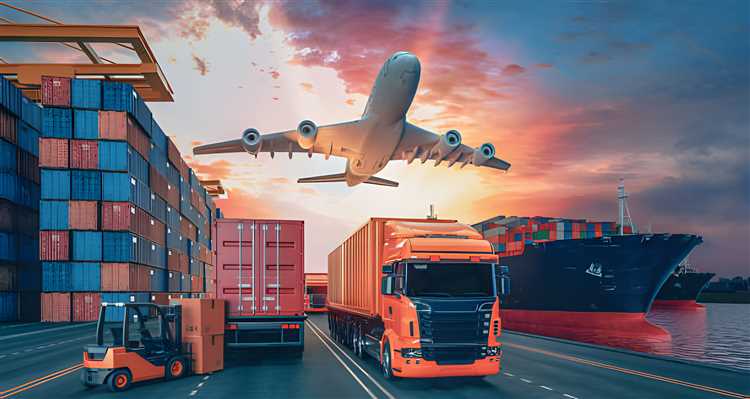
Combined transport is a form of multimodal freight where one shipment is
moved by at least two different modes of transport (for example road–rail, road–sea, or
road–inland waterway) under a single transport chain. The long-haul leg is usually done by
rail or vessel, while trucks handle short pre-carriage and on-carriage between terminals,
depots and the final customer.
Purpose and Key Characteristics
-
Mode mix. Combines truck, train, barge or short-sea shipping within one
door-to-door service. -
Standard units. Uses ISO containers, swap bodies or trailers that can be
lifted between modes without reloading the cargo. -
Lower impact. Shifts the main distance from road to rail or sea to reduce
emissions, road congestion and driver time.
Role in Container and Terminal Operations
In container logistics, combined transport links ports, inland terminals, depots and CFS
facilities into one network. Terminal operating systems (TOS) and yard management systems
(YMS) coordinate:
- gate moves between trucks and trains or vessels,
- positioning of containers in yard zones for the next mode,
- documentation and hand-over between carriers and freight forwarders.
Combined transport helps optimize load factors, cut transport cost per unit and support more
sustainable, scalable supply chains while keeping door-to-door service for shippers.
“`