


Freight Forwarder
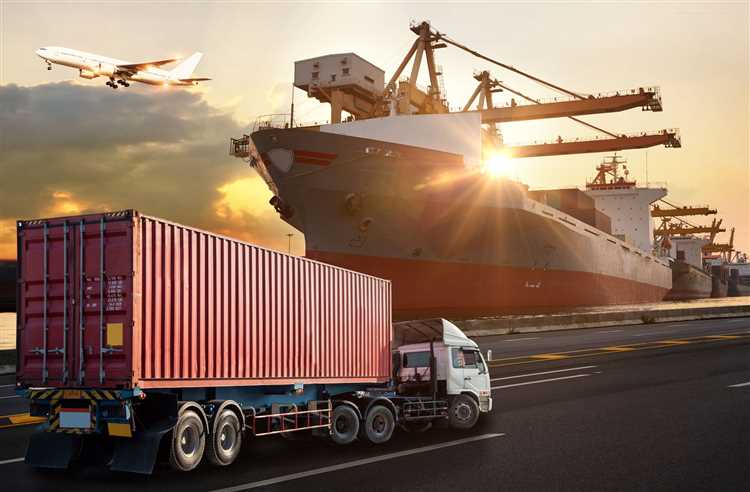
“`
Definition
A freight forwarder is a logistics intermediary that plans, arranges and
coordinates the movement of cargo on behalf of a shipper. A forwarder usually does not own
vessels, aircraft or trains; instead it books capacity with carriers and manages the end-to-end
transport chain for international and domestic shipments.
Core Functions
-
Transport planning and booking. Selecting routes, carriers and modes
(sea, air, road, rail) and issuing bookings for containers or general cargo. -
Documentation and compliance. Preparing bills of lading, commercial
invoices, packing lists and other transport documentation, supporting
customs clearance and trade compliance. -
Cargo consolidation. Grouping smaller shipments into larger units
(LCL / groupage) to optimize cost, space and handling. -
Risk management. Offering cargo insurance, advising on
packaging and stowage, managing claims with carriers. -
Tracking and communication. Providing shipment tracking,
status updates and exception handling for shippers and consignees.
Role in Container and Terminal Operations
In container logistics, freight forwarders interact with shipping lines, depots, CFS facilities,
terminals and trucking companies. They coordinate container pick-up and return, gate bookings,
VGM provision and cut-off times, often via integrated TOS, YMS or freight platforms. This
orchestration aligns bookings, documentation and physical flows across the whole transport
corridor.
Key Benefits for Shippers
- simplified access to global logistics networks through one point of contact,
- optimized cost via rate negotiation and cargo consolidation,
- reduced administrative workload for trade and customs formalities,
- greater visibility thanks to structured logistics management and tracking tools.
Video
“`