


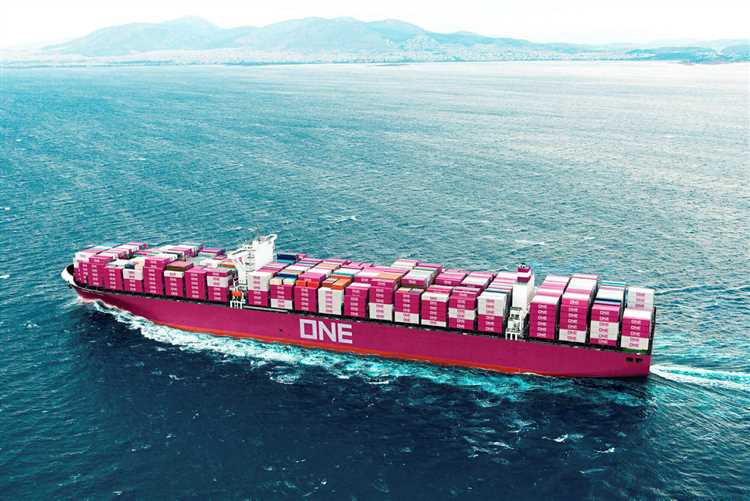
Definition
A shipping line is an ocean carrier that owns or operates vessels and provides
scheduled liner services between ports. In container shipping, a shipping line
offers space on its ships for full containers (FCL) or consolidated cargo, publishes routes and
transit times, and issues bills of lading for international transport.
Core Functions of a Shipping Line
-
Vessel and schedule management. Planning port rotations, sailing frequency
and capacity on trade lanes (for example Asia–Europe or Transatlantic). -
Container and equipment provision. Supplying dry, reefer and special
containers, managing empty repositioning and depot stocks. -
Booking and documentation. Accepting bookings from shippers, forwarders and
NVOCCs, issuing bills of lading, manifests and EDI messages. -
Port and terminal operations interface. Coordinating with terminals,
depots and inland carriers for gate moves, stowage plans and cut-off times. -
Freight and surcharges. Setting ocean freight levels plus bunker, terminal,
documentation and other surcharges under tariffs or service contracts.
Role in Container and Terminal Logistics
Shipping lines sit at the center of global container logistics. Their schedules and capacity
directly influence yard planning, berth planning and gate operations at container terminals and
depots. Terminal Operating Systems (TOS / CTOS) and Yard Management Systems (YMS) often integrate
with carrier EDI (for example CODECO, COARRI, COPRAR) to exchange data on container moves,
load lists, discharge lists and vessel status.
For shippers, freight forwarders and inland carriers, the choice of shipping line affects transit
time, service reliability, equipment availability and cost for each trade lane.
Shipping Line vs Transportation / Forwarding Company
| Aspect | Shipping Line | Freight Forwarder / Transport Company |
|---|---|---|
| Core role | Operates vessels and liner services as an ocean carrier. | Logistics intermediary that designs and books end-to-end transport. |
| Assets | Ships, containers, sometimes terminals and depots. | Usually asset-light; may operate trucks, warehouses or depots. |
| Contract | Issues ocean bill of lading as carrier. | Issues house bill of lading or transport contract to shipper. |
| Scope | Sea leg, plus some inland services (carrier haulage). | Door-to-door chain across sea, road, rail, air as needed. |
Key Factors When Choosing a Shipping Line
-
Service network. Ports served, inland depots and intermodal connections on
required trade lanes. -
Schedule reliability. On-time performance, typical delays and stability of
weekly or bi-weekly strings. -
Equipment availability. Access to required container types and sizes at
specific origins (dry, reefer, special equipment). -
Freight level and surcharges. Total cost including base freight, bunker,
terminal handling and local charges. -
Digital tools. Quality of booking portals, tracking, e-documentation and EDI
links with TOS, ERP or freight platforms. -
Operational support. Local agency responsiveness, claims handling and
problem-solving at origin and destination.
Video
“`